Key Takeaways
- Significance of residential thermal protection and its benefits for energy efficiency.
- Varieties of residential thermal barriers available for effective climate control.
- Techniques for insulating ceilings to enhance energy conservation.
- Approaches for insulating walls to improve overall home comfort.
- Do-it-yourself projects for homeowners to enhance their insulation.
- Strategies for insulating foundations to prevent heat loss and moisture issues.
Home Insulation Tips | Importance of Home Insulation
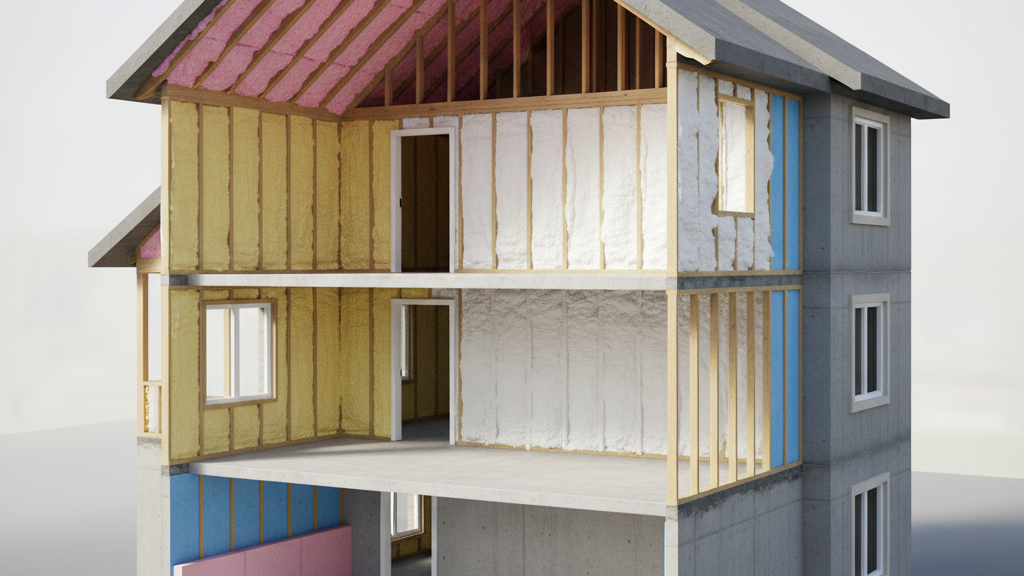
Effective home insulation plays a crucial role in enhancing energy efficiency and ensuring comfort within your living space. Home insulation tips often emphasize the importance of selecting the right insulation materials, such as fiberglass insulation, batt insulation, and spray foam insulation, to achieve optimal results. For roofs and ceilings, ceiling insulation and attic insulation using foam insulation or board insulation can significantly reduce heat loss. Meanwhile, cellulose insulation offers a sustainable option for wall spaces. Understanding the unique benefits of each type, including cost-effectiveness and R-value effectiveness, empowers homeowners to make informed decisions that lead to long-term energy savings and improved indoor air quality.
home insulation tips | Benefits of Effective Insulation
Effective home insulation provides multiple benefits that enhance energy efficiency and comfort. Utilizing home insulation tips can lead to significant improvements in temperature regulation. A skilled home builder may recommend insulation methods like sprayed foam insulation for its superior air sealing properties. This type of insulation minimizes heat loss through critical areas such as electrical outlets and around the perimeter of hardwood floors. For garages, proper insulation ensures a consistent environment, which is essential for maintaining the quality of stored items.
Investing in quality home improvement solutions can also increase property value. Structural insulated panels offer excellent thermal resistance and are ideal for both new constructions and upgrades. Proper siding installation paired with effective wall and ceiling insulation can enhance both aesthetics and functionality. By following targeted home insulation tips, homeowners can create a more energy-efficient living space that maximizes comfort and reduces utility bills.
Energy Efficiency and Cost Savings
Effective home insulation tips can significantly enhance energy efficiency, leading to substantial cost savings over time. Properly insulated roofs, walls, and foundations help maintain a stable indoor temperature, reducing the workload on your HVAC system. With less demand on your HVAC unit, homeowners can expect lower energy bills while enjoying improved indoor air quality. Implementing strategies such as adding a radiant barrier or using insulated plywood can further boost these savings.
Cost savings extend beyond just lower utility bills. Investing in quality insulation enhances the overall performance of your HVAC system and contributes to a comfortable living environment. With proper ventilation and insulation, homes can better retain heat during winter and stay cool in summer, reducing reliance on heating and cooling systems. Ultimately, implementing home insulation tips can lead to a more sustainable and economically-friendly home.
Types of Home Insulation
Understanding the various types of insulation is crucial for maintaining optimal room temperatures and ensuring energy efficiency. Effective home insulation tips often highlight the importance of creating a complete thermal envelope, which prevents thermal bridging and keeps the heat generated by your heater contained. Insulators come in various forms, from fiberglass batts to spray foam, and can be applied to areas such as the roof deck and exterior walls. Properly insulating concrete blocks enhances the durability of your house while also maintaining ideal ceiling temperatures. A flashlight can be handy for inspecting areas that require insulation, ensuring you cover every nook and cranny to achieve the best results.
Overview of Different Insulation Materials
Choosing the right insulation material is crucial for effective home insulation tips. Common options include fiberglass, foam board, and cellulose. Fiberglass provides excellent thermal performance for ceilings and walls without absorbing moisture. Foam board insulation is ideal for basements and can be used around water heaters to prevent heat loss. Cellulose, made from recycled paper, is environmentally friendly and can be blown into walls and attics, offering good coverage.
Different insulation materials serve specific purposes in various parts of the home. For example, wood insulation can enhance the performance of attic roofs while curtain insulation helps reduce drafts around doors. Understanding these materials enables homeowners to strategize their insulating efforts effectively. Selecting the right type based on your home’s unique needs will maximize energy efficiency and overall comfort.
Comparing R-Values in Insulation
Understanding R-values is crucial for selecting the right insulation options for your home. R-value measures the thermal resistance of insulation, helping homeowners gauge the effectiveness of different materials. For effective home insulation tips, focus on insulation types with higher R-values, as they provide better resistance against heat transfer. Whether it’s wall insulation or interior insulation, adequate insulation can significantly improve energy efficiency. If existing insulation falls short, it may be time to add insulation that meets the necessary R-value standards.
Different insulation materials come with varying R-values, making it essential to compare them before deciding. Cellulose, fiberglass, and foam board are common insulation types, each with unique properties and effectiveness. Homeowners should install insulation that not only fits their budget but also aligns with their climate needs. Following home insulation tips can ensure that you apply insulation correctly, maximizing its benefits. By choosing the right materials and ensuring proper installation, interior insulation reduces heat loss and contributes to a more comfortable home.
Ceiling Insulation Techniques
Effective ceiling insulation is a crucial aspect of comprehensive home insulation tips. Homeowners should ensure they have enough insulation to prevent heat loss, which often leads to higher energy bills. Researching foundation insulation can provide insight into the importance of addressing potential insulation gaps not just in ceilings but also in floors and walls. Engaging a local insulation professional can help in assessing various insulation types available for optimal foundation insulation. Properly installed exterior insulation may also enhance overall energy efficiency, ensuring that your home remains comfortable year-round. Conducting an insulation check is essential for maintaining the integrity of your home’s insulation system, allowing for timely upgrades or repairs where necessary.
Best Practices for Installing Ceiling Insulation
Effective ceiling insulation enhances energy efficiency and contributes to overall comfort in your home. Home insulation tips suggest that blown-in insulation is particularly useful for filling gaps and ensuring continuity in your attic insulation. This method also works well for hard-to-reach areas, making it a preferred choice for both attic floor insulation and basement wall insulation. Homeowners can utilize handy insulation calculators to determine the right amount of loose-fill insulation needed for their specific projects. Awareness of common terminology can help demystify the process, ensuring that terms like “blow-in insulation” become a part of your home improvement vocabulary rather than something that intimidates you.
Proper installation is crucial for maximizing the benefits of ceiling insulation. Preparing the space by sealing any air leaks will enhance the effectiveness of the insulation. For slab insulation, it’s important to assess moisture levels to prevent future complications. Using a proper safety gear while handling insulation materials is essential. Exploring online insulation facts can provide additional insights on best practices and methods. Home insulation tips emphasize the importance of proper ventilation in attics, ensuring that attic insulation maintains its performance over time, creating a healthier living environment.
- Ensure the attic is clean and dry before installation to prevent moisture issues.
- Choose the right insulation material based on your climate and home structure.
- Use a vapor barrier when necessary to prevent moisture buildup in insulation.
- Make sure to wear protective gear, including gloves, masks, and goggles, during installation.
- Check local building codes and regulations to ensure compliance with insulation standards.
- Regularly inspect insulation to detect any signs of damage or settling over time.
- Consider hiring a professional if you’re unsure about the installation process or safety protocols.
Common Mistakes to Avoid
One common mistake homeowners make is neglecting proper home ventilation while installing insulation. Without adequate airflow, moisture can accumulate, leading to mold and structural damage. Home insulation tips suggest using unfaced insulation or foam board insulation to improve thermal performance. Many homeowners overlook the importance of ventilation, causing their uninsulated home to suffer from issues that could have been avoided. Ensuring proper home ventilation during the installation of rigid foam insulation or pink fiberglass insulation can significantly enhance the effectiveness of the insulation.
Another error in home insulation projects is failing to select the right type of insulation for specific areas. Homeowners often underestimate the benefits of tailored solutions, opting for generic products without considering the unique needs of their home. Using the wrong insulation material can lead to higher energy costs and inadequate heat retention. Home insulation tips highlight that selecting the appropriate insulation—be it foam board insulation for basement walls or pink fiberglass insulation for attics—will yield better results in draught-proofing and reducing heat loss overall.
Wall Insulation Methods
Proper wall insulation is crucial for maintaining a comfortable indoor environment, especially during winter home maintenance. Many homeowners overlook the importance of insulating existing walls, which can lead to significant heat loss and increased energy bills. Home insulation tips suggest conducting a home energy audit to identify areas needing improvement. For original homeowners or those with newer homes, selecting the right wall insulation material is essential for optimal performance. Home improvement stores offer a variety of options tailored to different needs, including solutions for unheated garages or homes with exterior siding. By taking the time to assess insulation needs, homeowners can ensure their spaces remain cozy and energy-efficient throughout the colder months.
| Insulation Type | Material | R-Value (per inch) | Application Method |
|---|---|---|---|
| Fiberglass Batt | Fiberglass | 2.9 – 4.3 | Fitted between studs |
| Foam Board | Polystyrene or Polyisocyanurate | 3.8 – 6.5 | Cut to size and installed on walls |
| Spray Foam | Polyurethane | 3.5 – 6.5 | Sprayed onto surfaces |
| Mineral Wool (Rock Wool) | Mineral fibers | 3.1 – 4.2 | Fitted between studs |
| Cellulose | Recycled paper products | 3.1 – 3.7 | Blown in or packed |
Choosing the Right Wall Insulation Material
Selecting the appropriate wall insulation material is a key factor in enhancing your home’s energy efficiency. Conducting a whole-house energy assessment can help you identify the best options suited for your specific needs. Consider materials like spray foam, fiberglass, or cellulose, as these vary significantly in R-value and installation methods. Properly sealing drafty doorways and maintaining your HVAC system can also contribute to lowering heating bills while ensuring a comfortable indoor environment. Don’t overlook smaller details, like insulating outlet covers, which can further improve overall insulation effectiveness.
Choosing wall insulation should take into account the construction type and existing features such as wood sheathing products and the placement of vents. An insulated access door can minimize heat loss while maintaining access to critical areas. Evaluate your options based on performance and cost to determine what aligns best with your home insulation tips. Avoid closing vents in the wrong areas, as this can lead to inefficient heating or cooling. Prioritize materials that serve your home’s specific needs for optimal results.
Insulating Existing Walls: Steps and Tips
Effective insulation of existing walls is crucial for achieving moderate indoor temperatures and reducing energy costs. Homeowners often encounter uninsulated walls that allow air leakage, making it essential to address these areas. For those considering home insulation tips, starting with external walls can significantly improve heating efficiency. It’s advisable to check the attic decking as well, ensuring that insulation extends downward to maintain warmth throughout the home.
Before beginning the insulation process, ensure safety by turning off the power to the outlet in the area you are working. For those with an interior basement wall, applying the right insulation material can also conserve room area while enhancing comfort. Following these steps will help create a more energy-efficient environment akin to a new house, reinforcing the overall integrity of your home.
DIY Home Insulation Projects
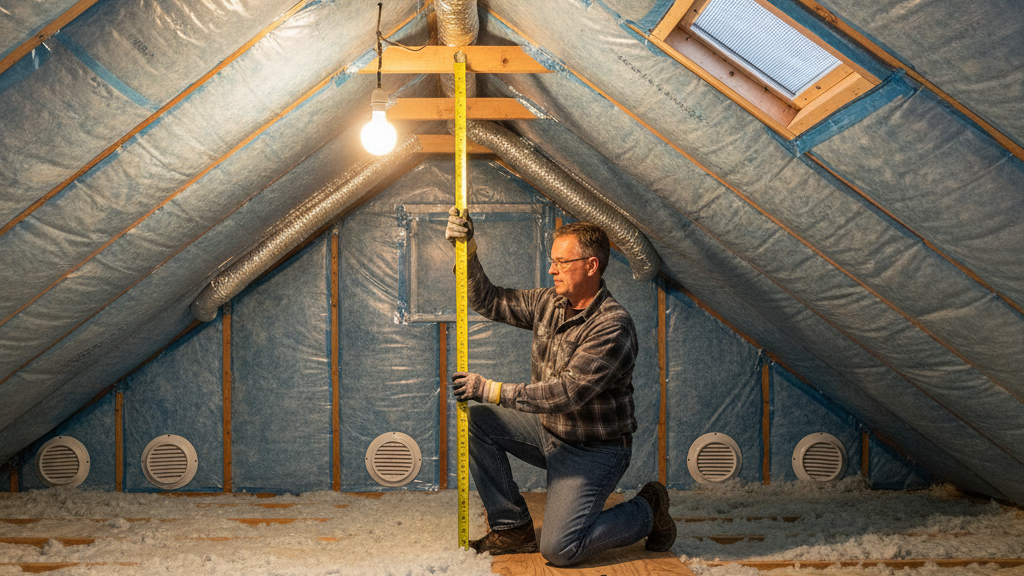
Home insulation tips can significantly enhance the energy efficiency of your space, especially for newer houses. Focus on sealing gaps around wood studs to prevent drafts in exterior walls and pay particular attention to basement air leaks that often compromise insulation. Insulating foundation walls is crucial for keeping heated basements comfortable during colder months. For attic rooms, covering the entire wall area with appropriate insulation will help maintain consistent temperatures. Consulting with an experienced heating company can provide insights on the best materials and techniques for your specific needs.
Essential Tools for DIY Insulation
A solid set of tools is vital for anyone looking to implement home insulation tips. Key items such as utility knives, staple guns, and measuring tapes are essential for accurately cutting and securing insulation materials. For insulating concrete blocks, a good-quality adhesive and reflective foil can help manage air leakage control effectively. These tools create a more comfortable home, especially in unconditioned garages where heat loss can significantly inflate heating costs.
Using the right tools also ensures that you can tackle necessary repairs while maximizing energy efficiency. For projects involving unfinished basement ceilings or basement walls, consider investing in a quality spray foam kit. This helps fill gaps and provides a snug fit in hard-to-reach areas. For attic applications, a pole saw or insulation blower can greatly enhance your ability to reach and insulate all vulnerable spaces, ensuring your home stays cosy and energy-efficient throughout the colder months.
Step-by-Step Guide to Insulating Your Home
Proper insulation is crucial for maintaining a comfortable home environment. Start by addressing the concrete wall and its potential for cold wall effects. Assess the home’s structure, focusing on areas such as wood framing and leaky windows/doors that can lead to significant energy loss. Following home insulation tips, consider installing an insulated slab for increased thermal protection. For houses with hot roof designs, ensure that the attic is adequately insulated to prevent heat buildup and promote airflow.
After identifying the areas needing attention, gather essential tools and materials for the project. Installing thick curtains can enhance insulation around windows, providing an additional barrier against outdoor temperatures. For areas with decking, ensure that insulation is applied effectively to prevent drafts. Utilizing an assured comfort furnace will help maintain a steady indoor temperature throughout the seasons. Following these guidelines will lead to a more energy-efficient home and improved overall comfort.
| Insulation Type | Benefits | Recommended Areas |
|---|---|---|
| Fiberglass Insulation | Cost-effective, fire-resistant, soundproofing | Attics, walls, floors |
| Foam Board Insulation | High thermal resistance, moisture-resistant | Basements, exterior walls |
| Spray Foam Insulation | Seals gaps and cracks, high R-value | Attics, crawl spaces, around windows/doors |
| Cellulose Insulation | Eco-friendly, great air barrier | Attics, walls |
Foundation Insulation Strategies
Proper foundation insulation is crucial for maintaining energy efficiency in your home. Implementing home insulation tips, such as ensuring proper air sealing, can significantly reduce heat loss. It’s important to check areas around the attic access door and outlet box, as these spots often harbor hidden air leaks. Homeowners can learn how to find and seal hidden attic and basement air leaks to enhance overall insulation effectiveness. Advanced wall techniques and exterior drainage methods also contribute to effective foundation insulation. Regular repairs and careful installation can prevent moisture intrusion, ensuring warmer rooms throughout the colder months.
Importance of Insulating the Foundation
Proper insulation of the foundation is crucial for maintaining a comfortable home environment. Insulating under slab floors and around doorways ensures that cold air does not seep in from the exterior. A well-insulated foundation acts as an excellent insulator, promoting energy efficiency and reducing heating costs. It also helps to air seal the home, preventing drafts and moisture from entering through outlets or other openings. Following home insulation tips during the insulation process will enhance overall protection for your living spaces.
Taking the time to insulate the foundation can significantly improve your home’s energy performance. An energy assessment can identify areas needing attention, guiding you to the best insulating materials and techniques. Builders often overlook this critical area, but neglecting foundation insulation can lead to bigger problems down the line. Effective insulation strategies not only save you money on energy bills but also contribute to the longevity of your home’s structure.
- Enhances indoor comfort by maintaining stable temperatures year-round.
- Reduces the risk of moisture-related issues, such as mold and mildew.
- Improves the overall energy efficiency of the home, leading to lower utility bills.
- Increases the resale value of the property by improving insulation and energy performance.
- Prevents frost heave and damage to the foundation during colder months.
- Creates a healthier living environment by minimizing drafts and allergens.
- Allows for greater use of renewable energy sources by complementing sustainable practices.
Techniques for Effective Foundation Insulation
Effective foundation insulation is crucial for maintaining a comfortable living environment in homes. One essential home insulation tip is to install foam board insulation around the foundation walls. This layer acts as a barrier against the cold ground, preventing heat loss and reducing energy bills significantly. It is also advisable to have an access door in the insulation layer for easy inspections and maintenance, ensuring that your insulation remains effective over time.
Another helpful tip involves insulating the crawl space or basement to enhance overall energy efficiency. By adding a layer of insulation to the walls and sealing any gaps, homeowners can improve their home’s thermal envelope. This is especially important for homes with cathedral ceilings, where heat can escape easily if the foundation is not properly insulated. Implementing these techniques will lead to a more energy-efficient home and lower energy costs.
Conclusion
Home insulation is crucial for maintaining a comfortable indoor environment and enhancing energy efficiency. Utilizing effective home insulation tips can drastically improve the HVAC system’s performance, ensuring optimal heating and cooling throughout the seasons. Properly insulated roofs and walls, along with the installation of radiant barriers, contribute to reducing energy costs and improving indoor air quality. Homeowners should pay attention to ventilation, especially in areas where plywood and other materials are used, to prevent moisture accumulation and maintain a healthy living space. Implementing these strategies can lead to a better-functioning HVAC unit, ultimately fostering a more energy-efficient and enjoyable home.
FAQS
What are effective basement insulation techniques for creating a cosy home environment?
To achieve effective basement insulation, it is crucial to conduct thorough research on foundation insulation options, as there are many insulation types available. While the term “insulation” may intimidate some, installing insulation or draught-proofing will reduce heat loss and enhance comfort in your new home. Consider consulting a qualified home energy expert for guidance on air-sealing techniques and exterior drainage techniques. Additionally, small upgrades like sealing drafty doorways and installing thick curtains can further contribute to making your home cosy. Don’t forget to turn off the power to the outlet before starting any home insulation project to ensure safety during HVAC maintenance.
How can I use research foundation insulation to improve my home’s energy efficiency without feeling intimidated by the process?
To improve your home’s energy efficiency using research foundation insulation, start by sealing drafty doorways to prevent heat loss. Additionally, installing thick curtains can help keep your home warm in the winter and cool in the summer. Don’t let the term insulation intimidate you; taking it step-by-step will make the process manageable and effective for your home.
What simple strategies can I apply to enhance my home’s insulation, particularly for sealing drafty doorways and using thick curtains?
To improve your home’s insulation, consider techniques like sealing drafty doorways to prevent heat loss. Using materials like weatherstripping can effectively close gaps around doors. Additionally, installing thick curtains can provide an extra layer of insulation, helping to keep your home cozy during colder months.
What are some practical ways to enhance my home’s insulation, especially regarding how to seal drafty doorways and install thick curtains effectively?
Enhancing your home’s insulation is essential for maintaining comfort and energy efficiency. To seal drafty doorways, consider using weatherstripping or door sweeps, which can significantly reduce air leaks. Additionally, installing thick curtains not only adds a decorative touch but also provides extra insulation by keeping cold air out during winter months. These simple strategies can help you create a warmer and more energy-efficient living space.
What are some tips for homeowners to improve their home’s insulation and effectively install thick curtains?
Homeowners can improve their home insulation by addressing gaps and leaks around windows and doors, which helps to retain heat. Additionally, to effectively install thick curtains, ensure they cover the entire window area and consider using curtain rods that extend beyond the window frame to maximize light blocking.
What are the benefits of enhancing home insulation in the winter months?
Improving your home’s insulation during winter months not only keeps your living spaces warm but also significantly boosts home energy efficiency. This enhancement helps to reduce heating costs and maintains a comfortable indoor environment, ensuring that your home isn’t drafty and retains heat effectively.